
Guide To Winning Over Shame
A memoir of surviving sexual, emotional, and psychological abuse; the tools and skills anyone can use to find whole and happy
A safe space for survivors of emotional, sexual, and psychological abuse to heal, rebuild confidence, and reclaim their lives.






80%
Do You Feel Like Something Is Wrong With You?
You’re not broken.
You were shaped by experiences you didn’t choose.
Shame can come from:
- Childhood trauma
- Emotional or psychological abuse
- Toxic relationships
- Feeling “not enough” your entire life
And the worst part?
It convinces you that you are the problem.
But you’re not.
80%
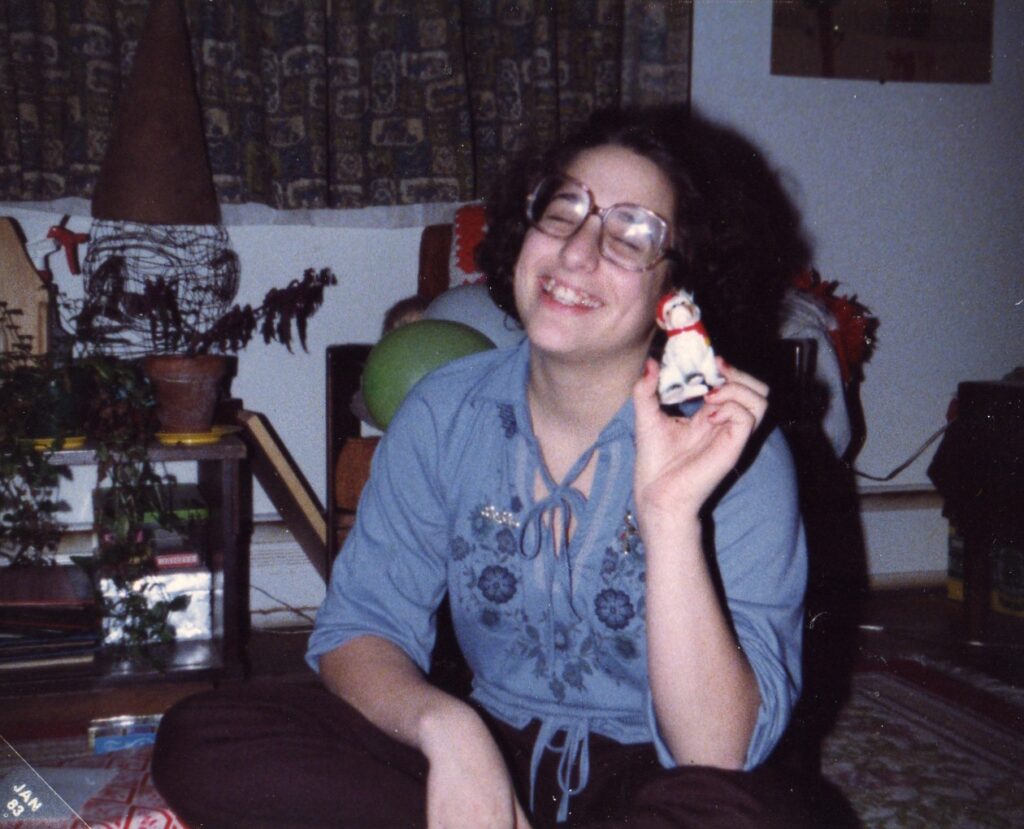
Hi, I’m Debi
And I’ve Been There
After surviving years of sexual, emotional, and psychological abuse, I carried shame that made me believe I was fundamentally flawed.
For decades, I struggled with:
- CPTSD and emotional overwhelm
- Self-doubt and self-blame
- Toxic patterns that felt impossible to break
But I found a way through.
And now, I help others do the same.
Build Your Personal Coping Box
A simple, practical way to handle overwhelming emotions when they hit.
When emotions take over, it’s hard to think clearly or know what to do.
A coping box gives you something real to reach for — tools that help you calm down, ground yourself, and regain control in difficult moments.
Inside this guide, you’ll learn how to create your own coping box using simple techniques and meaningful items that actually work in real life.
- Calm yourself during intense emotional moments
- Reduce anxiety and overwhelm
- Stay grounded and present
- Create a sense of safety when you need it most
How I Can Help You Heal
Coping Box
Practical tools to manage emotional overwhelm and regain control.



You Are Not Alone
Are You Ready To Help You or Your Clients Overcome Emotional Overwhelm?
Ground a person when anxiety, anger, or impulsive thoughts (such as suicidal, addiction, or self-injuring) become opressive.
Stimulate or distract a person when depression, fear, or overwhelm are the issue.
Focus the person on what will work for them, complete with posters they can personalize.
The person to take control of their own strategies through detailed suggestions they can use as a jumping off point.
What we treat
You don't need to suffer any longer
Anxiety disorders
Peripartum & postpartum care
Depression & bipolar disorders
Autism spectrum disorder
Alcohol use disorder
Obsessive compulsive disorder
End-of-life transitions
Chronic medical illness
Coming out & sexuality questions
Gambling disorder
Eating disorders
Insomnia & sleep disorders
Substance use disorders (SUD)
Interpersonal conflict
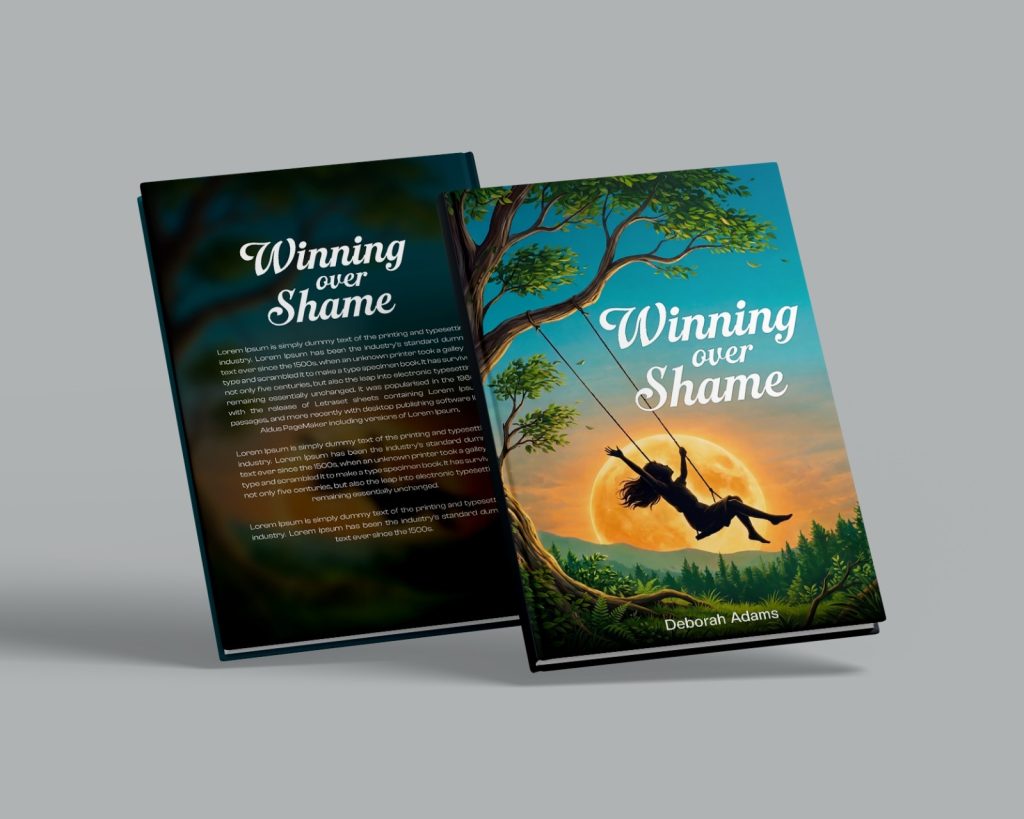
Our Book
Sneak Peek–Get Your Free Coping Box Here
Click Here Get one of my primary coping skills for emotional overwhelm. This kit will walk you through putting together an actual box of items to trigger your senses and other skills. Whether you need grounding or energizing, this will help you regain control.
Meet our clinicians
Our psychologists combine advanced training with a compassionate, client-centered approach.
The psychiatry journal
Insights for Your Mental Health
You Don’t Have to Carry This Alone
24/7
Ready to start your journey?
You Don’t Have to Carry This Alone
Frequently Asked Questions
1. Why do I feel like something is wrong with me after what I’ve experienced?
Feeling like something is wrong with you can be an effect of painful experiences such as childhood trauma, emotional abuse, psychological abuse, or toxic relationships. These experiences can shape the way you see yourself, but they do not determine your worth or mean that you are broken.
2. How can I overcome shame caused by childhood trauma or abuse?
Overcoming shame can begin by recognizing that you are not responsible for the abuse or experiences you did not choose. Understanding where shame comes from, challenging self-blame, and learning healthier ways to cope can help you gradually develop a more compassionate view of yourself.
3. Why do I keep blaming myself for things that happened to me?
Self-blame can develop when someone has experienced manipulation, emotional abuse, or other harmful relationships. You may have learned to believe that you were responsible for keeping the peace or preventing what happened. Recognizing that responsibility belongs to the person who caused the harm can be an important step toward healing.
4. What can I do when I feel overwhelmed by difficult emotions?
When emotions become overwhelming, having practical coping strategies ready can help you pause, ground yourself, and regain a sense of control. Simple sensory tools, calming objects, written reminders, breathing exercises, and other personally meaningful items can be included in a coping box for difficult moments.
5. What is a coping box and who can benefit from one?
A coping box is a collection of personal tools and meaningful items that can help you manage emotional overwhelm. It can be useful for anyone who needs practical ways to calm down, stay grounded, reduce anxiety, or create a greater sense of safety during difficult emotional moments.
6. How do I make a coping box for emotional overwhelm?
Start by choosing items that help you feel calm, grounded, present, or safe. These might include sensory objects, comforting reminders, written affirmations, photographs, calming scents, or other items that have personal meaning. The most effective coping box is one designed around your individual needs.
7. Can someone heal from the effects of sexual, emotional, or psychological abuse?
Healing is possible, although everyone’s experience is different. Recovery may involve understanding how past experiences have affected your beliefs, emotions, relationships, and sense of self. It can take time, and seeking appropriate support can make the process feel less isolating.
8. Who is Debi Adams and why does she share her story?
Debi Adams shares her personal experience of surviving sexual, emotional, and psychological abuse and the shame and self-doubt that followed. Through her story, writing, and resources, she aims to encourage people who have experienced similar struggles to recognize that they are not alone and that their past does not have to define their future.
9. What is Winning Over Shame and who is it for?
Winning Over Shame is a memoir about surviving sexual, emotional, and psychological abuse while discovering tools and skills for moving toward healing. It is intended for readers who relate to experiences of shame, trauma, self-blame, emotional overwhelm, and feeling as though they are not enough.
10. Where can I find practical resources for managing shame and emotional overwhelm?
The Winning Over Shame website offers practical resources including the free Coping Box guide, which provides ideas for creating a personal set of tools to use during overwhelming emotional moments. The website also shares Debi’s story and additional resources related to shame, trauma, and healing.